
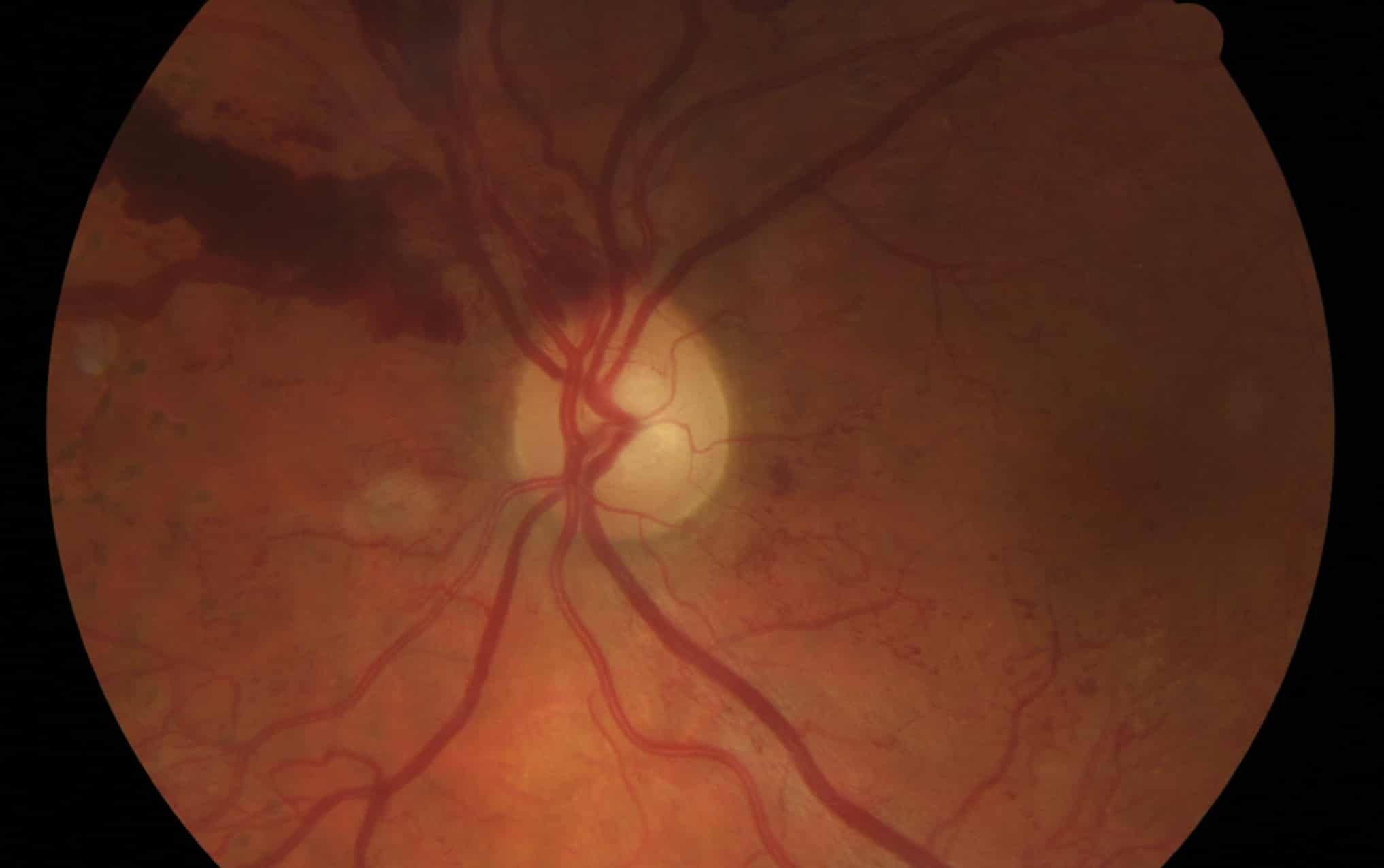
It’s now three years since the launch of KeepSight, Australia’s diabetic eye disease screening initiative shifting the dial on diabetes-related vision loss. In Part 2 of its National Diabetes Week (10-16 July), Insight checks in with some of the program’s key stakeholders.
Taryn Black, Diabetes Australia – national programs and policy director
 The daily burden of living with diabetes can be significant. It is estimated that people with diabetes face up to 180 diabetes-related decisions every day – that’s more than 65,000 extra decisions a year.
Combined with busy personal and professional lives, remembering and scheduling regular eye checks can be overlooked or put ‘down the list’ of priorities. Add in a global pandemic and significant interruptions to routine health care for the past two years, and it is no surprise that people’s routine eye checks may have fallen by the wayside.
With around 1.5 million Australians living with diabetes, and an estimated 50% of those Australians not receiving regular eye checks, compounded by the stress and interruption of COVID-19, there is a significant number of Australians at risk of preventable vision loss just because they are not seeing an eyecare provider routinely. As we know, diabetic retinopathy is often asymptomatic until it reaches an advanced stage and outcomes of late treatment are usually inferior to early intervention.
This means KeepSight has become more important than ever in its role to ensure people with diabetes don’t fall through the cracks when it comes to routine eye checks. At the end of March there were 240,000 people with diabetes enrolled with the program.
That’s a fantastic inroad, but we still have a way to go to make sure everyone who is at risk is getting regular checks. Presently around 60% of the optometry sector has KeepSight integrated into their patient- management systems, making registration to the program quick and easy. Diabetes Australia is committed to work with other providers to increase that number.
This integration with the eyecare sector is key – it keeps the process simple for patients, efficient for practitioners, and keeps people with diabetes coming back to their provider, building trust and rapport. Continuity of care is associated with optimal outcomes for diabetes complications, including diabetic retinopathy and KeepSight aims to facilitate this.
This is a unique public-private partnership that is making a real impact on the burden of diabetes related eye disease to our health system and to the wellbeing of Australians with diabetes.
Peter Van Wijngaarden, KeepSight clinical director & associate professor of ophthalmology, Centre for Eye Research Australia (CERA)

CERA has been involved in the advocacy for KeepSight from the very beginning because we were convinced that the scheme could make a real difference to the eye health of people with diabetes and prevent avoidable blindness.
I know, from first-hand experience in the United Kingdom, that a national screening program for diabetic retinopathy can be highly effective in preventing avoidable blindness. I also know that late-stage diabetic retinopathy treatment is more often difficult and prolonged, and often has poorer outcomes than treatment at an earlier stage. I am certain that we can do better for Australians with diabetes by providing support to ensure that diabetic eye check appointments are not forgotten. That is the core aim of KeepSight.
CERA researchers are committed to making a real-life impact for patients and developing innovative new ways to deliver eye health services – so supporting KeepSight is a natural extension of our work.
To date our energies have been devoted to the design, integration and promotion of KeepSight, but we are now focusing on measuring the impact of the program. We are also exploring ways of integrating KeepSight into ophthalmology workflows and will do so in a pilot program supported by Bayer.
Key impact indicators will include the proportion of reminders that result in return visits to eyecare providers; numbers of registrants; the impact of health messaging (both targeted, via the NDSS, and mass market messaging) on diabetes eye check activity.
Having established a digital infrastructure to mobilise people with diabetes and to monitor diabetes eye check activity at a national level, we will be well placed to understand the burden of the disease in near-real time. In addition, we will have the opportunity to target health messages to those people who are not currently having regular diabetes eye checks. This will be a very powerful means of providing targeted support to Australians with diabetes who are at risk of vision loss from the disease.
Dr Benjamin Ashby, Specsavers – director of optometry Australia & New Zealand
 The burden of avoidable vision loss and blindness due to diabetes primarily affects the 50% of people with the disease who do not get regular eye checks. The fact that more than 90% of vision loss from diabetes is avoidable through regular eye checks is the reason why Specsavers has been a committed supporter of KeepSight since its beginning.
Committed to funding $1 million per year for the program’s first five years, Specsavers has also invested in developing and adopting a range of systems and processes across our network of practices. These have assisted our Specsavers optometrists to register around 400,000 appointments (initial and follow up), making us the largest referrer to date.
Looking to the years ahead, Specsavers’ commitment remains unwavering and will be focussed on:
- Continuing to connect all consenting patients and appointments seamlessly to the program;
- Supporting Diabetes Australia to enhance KeepSight’s recall strategy, ensuring that the program is coordinated with other recall messages and as effective as possible at engaging with patients, resulting
in an increase in patients attending follow up optometric care in a timely manner; - Supporting the development of a digital system that measures the progress of KeepSight against key program goals. While reporting on changes in eye health outcomes isn’t yet practical given it’s still early days, Specsavers shares its deidentified data to aid in the reporting of the program’s take up amongst people with diabetes. Specsavers’ progress with KeepSight and our other Transforming Eye Health strategies, is periodically updated on our optometric data website (www.healthhub-anz.com).
KeepSight is an example of public and private organisations collaborating to address a major public health problem. The success of KeepSight to date shows the potential of such public-private collaboration and similar solutions could benefit countless Australians, addressing other public health problems in the future.
Peter Murphy, Luxottica (OPSM, Laubman & Pank) – director of eye care and community
 For Luxottica, integrating KeepSight registration into its clinical workflow nearly 12 months ago was simply the ‘right thing to do’. Optometry has a very important role to play in addressing this serious public health issue, by providing the very best in eyecare for people with diabetes.
The number of people with diabetes, or at risk of developing diabetes, in Australia is at epidemic proportions and we know the risk of some of these people, up to 100,000 a year, developing a serious eye problem is very real. But a large proportion of these can be avoided just by ensuring people are being checked regularly.
Given the number of patients we see, we recognised we had a responsibility to become involved in addressing this national health issue.
And our patients with diabetes appreciate that we are being proactive in supporting them to manage their condition.
We know that these patients have many health appointments to keep on top of and that more acute issues can sometimes take a front seat.
Vision, however, may deteriorate over time and appointments can get put on the back burner. It’s our role to make sure that doesn’t happen, and that any changes, however small, are picked up in time so that any vision deterioration can be addressed quickly and effectively, before it’s too late. We all take our vision for granted. But vision loss has such an impact on quality of life.
Integrating the KeepSight registration into our workflow means the process is seamless for our practitioners and a ‘no brainer’ for our patients. We’ve received great feedback from both our practitioners and their patients that KeepSight is making a difference
- KeepSight is led by Diabetes Australia and Vision 2020 Australia and funded through a public-private partnership with matching funding from the Australian Government, Specsavers, Bayer, Novartis and Mylan.
More reading
An optometrist’s role in the diabetic care team – CPD
Shifting the dial on diabetes-related blindness
Longer-acting implant may be better for Aboriginal DMO patients – study


